
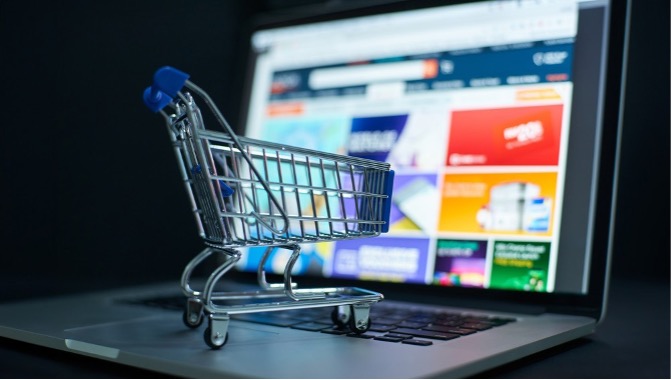
The modern consumer has come to expect seamless, intuitive experiences, whether they’re ordering groceries or buying software for work. Instead of wasting time navigating clunky portals, skimming static catalogs or waiting for salespeople to send updated pricing, consumer experiences have trained B2B buyers to compare products and place orders in a single click. According to Gartner, 83% of B2B buyers prefer purchasing through digital commerce, and 62% prefer to restock their supplies online.
There’s a huge opportunity for B2B ecommerce businesses to deliver the frictionless experience consumers crave. It’s not about whether B2B needs to offer personalized, digital-first experiences; it’s how soon they can make the transition.
Outdated Experiences Are Turning Buyers Away
According to Forrester, 86% of B2B sales stall during the buying process, and 81% of customers are dissatisfied with theirprovider. Holding strong to outdated practices and legacy systems alienates buyers and causes you to fall behind.
For example, 75% of B2B buyers prefer to purchase without talking to a salesperson. Yet, many B2B ecommerce companies offer static catalogs with thousands of SKUs to sort through, requiring a sales rep to move the purchase along. This forced dependence can cause buyers to ghost.
Personalized catalogs are a great way to cater to buyer preferences. Customized product listings with enhanced search functions and customer-specific price terms put control in the buyer’s hands and streamline their experience. In Sana Commerce’s B2B Online Insights 2025, 59% of respondents say a lack of personalized pricing is a principal obstacle to buying. Sites that offer customized, flexible, secure payment options stand a better chance at closing B2B business than ones that don’t.
Ecommerce sites that don’t prioritize intuitive experiences throughout the buying process are more likely to lose potential customers. To capture interest, ecommerce sites can tailor features to the specific needs of B2B buyers.
For instance, sites can simplify the complexity of a buying committee by enabling multiple persistent carts, allowing stakeholders to work on multiple returns and orders without losing progress. Also, saved preferences for checkout and shipping can make transactions as simple as one click.
Creating a seamless B2B ecommerce customer experience is possible, but it requires leaving legacy systems behind.
Businesses that embrace automation and integration are better equipped to meet the needs of modern B2B consumers.
How To Improve Customer Experience With Tech Integration
Given how complex traditional B2B buyer journeys can be, some may worry that a B2C-grade customer experience isn’t possible. After all, buying cycles are longer, higher-value purchases magnify mistakes, and there are so many use cases to consider.
However, you can use integration to elevate your B2B customer experience. Here’s how.
Create a single source of truth – By integrating ecommerce platforms with essential business data sources (ERP, CRM, inventory management system, etc.), information can synchronize across the business. That means product information, pricing and inventory levels remain consistent across channels. This enhances the buying experience by making it easy to discover old and new products based on price, size or other factors, even if buyers don’t know the exact name.
Leverage data to power personalized recommendations – The data in the single source of truth can be used to create a profile of customer preferences. With insightinto customers’ favorite products, purchase frequency and what they put in their cart, you can create personalized recommendations that present the most relevant products to the right buyers. These buyer recommendations can be automated and customized to enable personalization at scale.
Enable cart continuity for personalized checkout management – As systems interconnect, making changes to pricing or product details in one source automatically updates it across all relevant channels. This means buyers won’t have to update their cart manually. Instead, they will be able to resume shopping with updates to stock levels or pricing. By autosaving shipping and payment preferences, you remove extra data entry steps and create the personalized feel buyers love.
Ecommerce That Doesn’t Step Up Gets Left Behind B2B buyers know what a seamless customer experience feels like, and they aren’t willing to settle for anything less. Across industries, consumers expect an experience tailored specifically to them.
But outdated technology and traditional sales processes won’t get you there. Competitive B2B companies can use customer data and strategically integrated software to create golden records for customers and deliver personalized recommendations and buying experiences. With younger generations stepping into decision-making positions, flexibility, convenience and personalization have shifted from competitive advantages to prerequisites for doing business.