
“What Happened to the $150 Hotel Room?” a Washington Post headline screamed earlier this year. The midscale hotel hasn’t gone away, the story stated, it’s just moved on to richer pastures.
One day later, the Post published a story about the high price of tickets for events at the upcoming 2028 Summer Olympics in Los Angeles by featuring a Los Angeles couple who attended some events the last time the Olympics were in Los Angeles in 1984.
Sarah and Dennis Kissick still have ticket stubs from when they saw the world’s best boxers compete for $16 and enjoyed track and field events live for $33. They took in some baseball – then an Olympic exhibition sport – at Dodger Stadium for $6!
They don’t expect to be able to afford to see any events at the 2028 Olympics live, as less than one-third of tickets will be available for under $100, and many events will cost four figures to get into.
The Kissicks, who are huge soccer fans, won’t be able to attend any of this summer’s FIFA World Cup matches in Los Angeles, either. A ticket for those games costs as much as $8,680, the Post reports.
Inflation Hits Incentive Travel
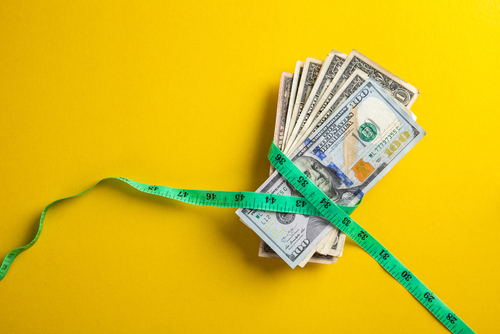
The soaring travel and event costs that consumers are facing are also wreaking havoc on corporate incentive travel campaigns.
A 2026 trends report from the Incentive Research Foundation states, “While for the past several years, incentive program designers have resourcefully stretched budgets, the ability to do more with less via creativity as a success factor is simply gone. To ensure long-term viability of incentive programs, incentive professionals are having to cut certain aspects of programs to ensure they remain viable and incentivizing.”
The IRF report and industry suppliers we spoke with state that companies are finding ways to eliminate aspects of previous incentive travel programs from future campaigns without diminishing the overall experience. Cost-cutting measures include selecting less-expensive destinations, shortening the length of the trip, shrinking the number of people who qualify for a trip, reducing per-person spend on event gifting, and giving participants more free time during an event by cutting certain expensive group activities. Free time, after all, is free for a program sponsor as well, and surveys of incentive travel program participants report desiring more free time to select activities of their own.
In a webinar earlier this year on incentive travel and offsite meeting trends, Mike May, executive chairman at Brightspot Incentives & Events, said, “Costs are going up faster than budgets. The key word we would have used in prior years was ‘volatility,’ but for this year, the word we would use is ‘selectivity.’ There is less tolerance for waste or fluff. The ability to say, ‘We’ve always done that,’ doesn’t cut it anymore.”
May’s colleague at Brightspot, Michelle Crosby, an account executive, said senior leaders at their client companies want clarity on why an incentive travel event exists. “Every event should have a concise explanation that is tied to a business goal. If you can’t explain the ‘why’ in one or two sentences, it will struggle to get approval. You have to be prepared to present a concise, CFO-ready explanation that ties directly to your business outcomes.”
Thinking Differently
Sydney Nolan, incentives and engagement specialist at Meetings & Incentives Worldwide, a third-party planner of incentive travel programs and offsite meetings, said a bright side of flat budgets is the challenge it presents to be more creative in program design. (Full disclosure: Sydney is this writer’s daughter and she has worked in the incentive industry for several years.)
“There’s a new opportunity for incentive professionals – and the incentives industry at large – to embrace the power and potential of narrative storytelling,” Nolan said. “Tighter restrictions and new demands, coupled with seemingly endless ‘mid’ AI-generated content, requires incentive industry leaders to dig deeper when crafting narratives and content, and making these elements the true backbone of a genuinely motivational rewards and performance strategy. Good, compelling storytelling also builds trust and confidence, magnifying and strengthening the impact of any non-cash reward.”
Creatively combatting the high cost of signature events has been an arrow in Marc Matthews’ quiver for decades. Matthews is the founder Pulse Experiential Travel, which specializes in creating what it calls “transformative travel experiences” for smaller groups or individual incentive travel rewards.
Matthews can secure Super Bowl tickets for corporate clients if they want to go that route, but he also has staged a Super Bowl extravaganza in Aruba for more than 20 years for companies to use as rewards and channel incentives. Lower-level tickets to see the Super Bowl live start at $4,500 or more, Matthews states. And then there’s the hotel headaches, which come with four-night minimums and jacked-up costs, and the chaos of getting anything accomplished when the host city is overwhelmed with restaurant reservations.
“It’s $25,000 or $30,000 [per couple] before you get anything done at a Super Bowl,” Matthews told us in a podcast interview last year.
Why not bring top performers or key corporate clients to a beautiful beach setting for four days where Matthews and his team sets up big-screen TVs oceanside to watch the game and lays out a smorgasbord that would cost five times as much at the Super Bowl, if it could even be pulled off?
The Individual Travel Option
Another cost-saving strategy that has existed for decades but is increasingly embraced by companies looking to stretch reward budgets is individual incentive travel. Pulse Experiential Travel and companies like Luxury Concierge Travel allow reward users to send top performers on a trip of their choosing on their timeline without worrying about hobnobbing with C-suite executives or line dancing with colleagues because it’s part of a group travel event.
These companies offer prepaid packages at different fixed price points or tiers, allowing companies to budget their incentive travel expenditures at the beginning of the year and know that won’t change. Recipients typically have two years or more to travel, and can choose the destination of their choice from options provided in the tier their reward allows.
Similarly, rewards like Marriott GiftCards are available in denominations between $25 and $2,000. With that flexibility, an incentive program sponsor can treat recipients to a day at the spa or a fully paid memorable weekend away.
The focus with any incentive travel reward should be on emotional impact. It’s difficult to earn one’s spot on these trips, so they must be designed with an intent to deliver what participants want, not what tops C-level executives’ wish list.